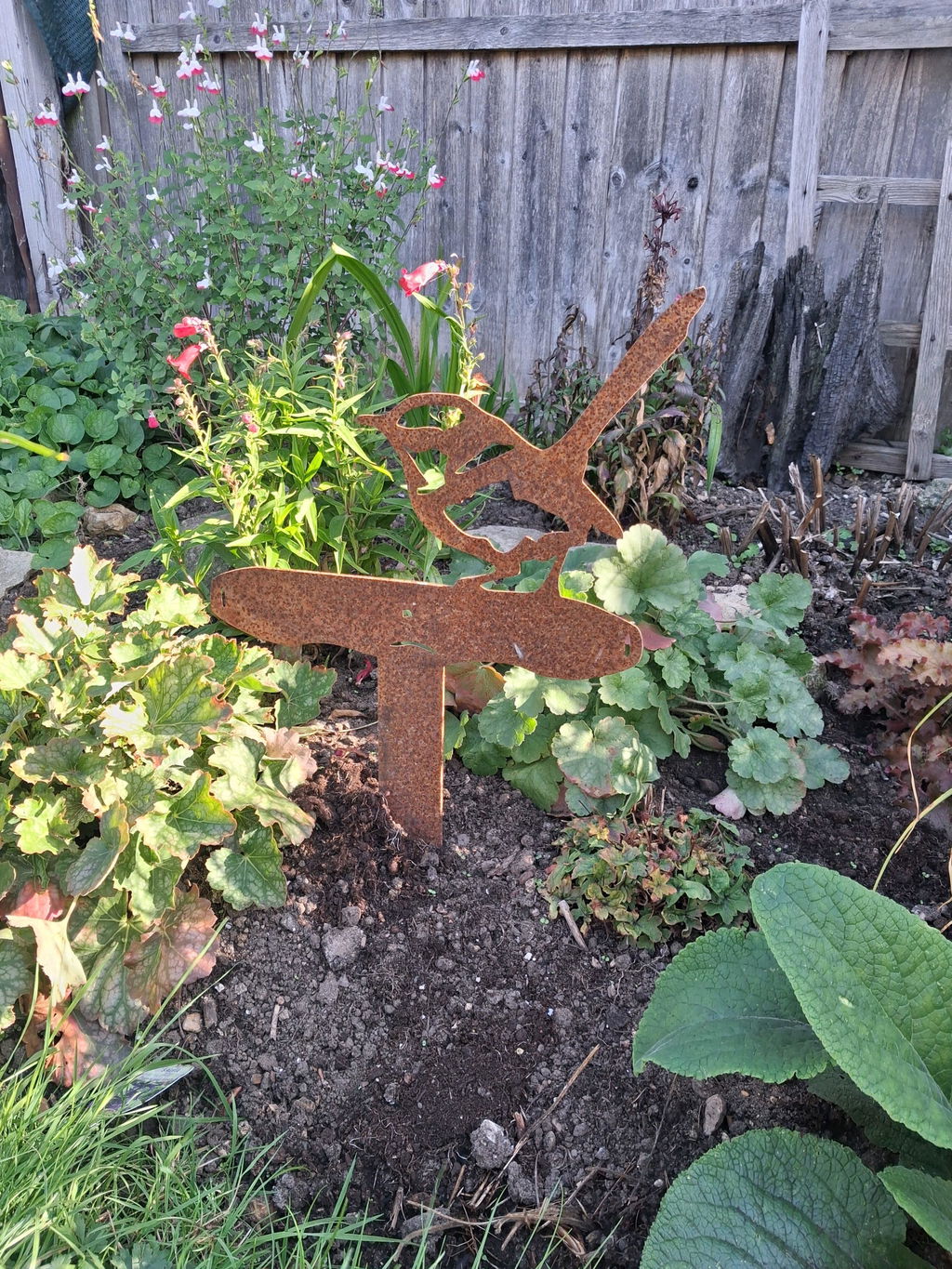
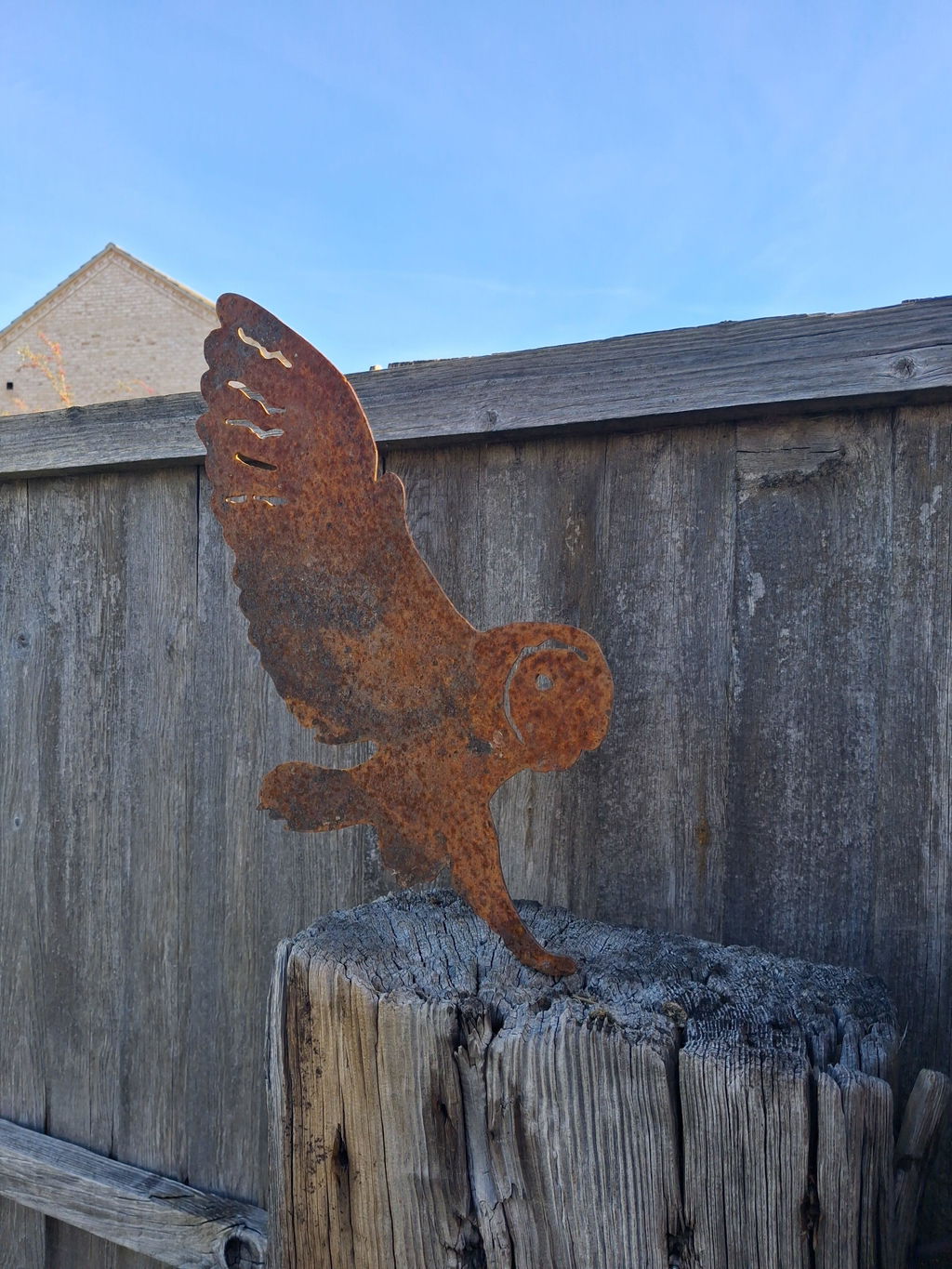
Community Art & Placemaking Sculpture for Developments and Shared Spaces
Community Art & Placemaking Sculpture for Developments and Shared Spaces
Supporting Section 106, Public Realm & Planning Requirements
Community art plays an important role in how developments are approved, delivered and experienced. For many developers, councils and planning teams, public art is not an optional extra — it forms part of Section 106 agreements, public realm strategies and placemaking requirements.
At Rustic Garden Art, we create community-focused public art and placemaking sculpture designed specifically for developments, shared spaces and public realm projects. Our work is practical, durable and planning-aware — art that helps projects move forward rather than slow them down.
This page explains how community art fits into real development projects, and how sculpture can meet planning expectations while remaining easy to deliver.
Community Art Within Section 106 & Planning Conditions
Public art is often required as part of:
-
Section 106 (S106) agreements
-
Planning conditions linked to placemaking
-
Public realm and amenity strategies
-
Regeneration and mixed-use developments
In these cases, councils and planning authorities are typically looking for:
-
Artwork that benefits the wider community
-
Pieces that sit naturally within shared spaces
-
Long-term, low-maintenance solutions
Community art does not need to be large or complex — it needs to be appropriate, durable and well placed.
What Placemaking Means for Developers (In Practice)
From a development perspective, placemaking is about creating spaces people want to use — not just pass through.
Well-considered placemaking sculpture can:
-
Break up large landscaped areas
-
Create focal points in shared spaces
-
Encourage people to pause, sit or gather
-
Help new developments feel established more quickly
For developers, this supports both planning approval and long-term perception of the site.
Public Art That Works in Shared Spaces
Community art for developments needs to work in everyday conditions.
This usually means:
-
Simple, readable forms
-
Materials suited to public use
-
Artwork that feels welcoming rather than formal
-
Minimal ongoing maintenance
Metal sculpture is particularly well suited to shared and public spaces because it is robust, adaptable and designed to live outdoors year-round.
Sculpture for Housing Developments & Regeneration Projects
In housing and regeneration projects, community art is often located in:
-
Central green spaces
-
Courtyards and communal gardens
-
Pedestrian routes and link spaces
-
Public-facing edges of developments
In these locations, sculpture helps to:
-
Define spaces without fencing
-
Add identity without signage
-
Support a sense of place
These are exactly the outcomes planners and councils want to see referenced in design statements.
Inclusive Community Art (Not Over-Designed)
One common concern with public art is that it can feel overly conceptual or disconnected from its surroundings.
In community settings, the most successful pieces tend to:
-
Reference nature, landscape or simple forms
-
Avoid obscure symbolism
-
Feel approachable to all ages
This helps artwork be accepted and valued by the people who use the space every day.
Materials & Maintenance Considerations
For Section 106 and council-led projects, maintenance is a key concern.
We design our community sculptures using metal suited to outdoor environments, often with rustic or weathered finishes that:
-
Age naturally over time
-
Do not require repainting
-
Minimise long-term maintenance costs
This makes them suitable for adoption by councils, management companies or estate teams.
Working With Developers, Councils & Design Teams
We regularly work alongside:
-
Developers and planning consultants
-
Local authority teams
-
Landscape architects
-
Project managers
We understand the need for:
-
Clear scope
-
Predictable delivery
-
Practical installation
Our role is to help translate planning requirements into artwork that is deliverable and appropriate.
A Straightforward Process
Community art projects don’t need to be complicated.
Our process usually involves:
-
Understanding the site and planning context
-
Suggesting sculpture types that suit the space
-
Fabrication in our UK workshop
-
Delivery and installation coordinated with the project team
This keeps projects moving without unnecessary delays.
Why Community Art Matters in Development
Well-designed community art:
-
Supports planning and placemaking objectives
-
Improves how shared spaces are used
-
Helps developments feel complete and considered
Over time, these pieces often become familiar landmarks within a site — quietly doing their job.
Next Steps
If you’re working on a development, regeneration project or public realm scheme and need community art or placemaking sculpture that supports Section 106 or planning requirements, there are a few simple ways to explore options:
-
Browse our sculptures to see what works in shared spaces
-
Email our team to discuss planning context and site requirements
-
Request a callback by emailing us with a short outline of your project
📧 Email: info@rusticgardenart.co.uk
We’re happy to offer practical guidance before anything is specified.
Related subjects
-
Section 106 public art
-
Community public art for developments
-
Placemaking sculpture
-
Public realm art
-
Sculpture for shared spaces