Public Art for Housing Developers: What Planners Want to See
Public Art for Housing Developers: What Planners Want to See
For housing developers, public art is rarely about making a statement for its own sake. More often, it forms part of a wider planning strategy, supporting Section 106 agreements, public realm requirements and placemaking objectives.
At Rustic Garden Art, we work with developers, planners and landscape teams to create practical public art and metal sculpture that fits naturally into housing developments. Our focus is on artwork that is deliverable, durable and appropriate — helping schemes progress smoothly through planning and beyond.
This page explains what planners are typically looking for, and how public art can be approached sensibly within residential developments.
Why Public Art Is Included in Housing Developments
Public art is often required to:
-
Meet Section 106 (S106) or planning conditions
-
Support placemaking and community benefit
-
Improve shared and public-facing spaces
-
Add long-term value to developments
For planning officers, the emphasis is usually on appropriateness and longevity, rather than scale or cost.
What Planners Commonly Look For
While every authority is different, planners typically respond well to public art that:
-
Benefits the wider community
-
Is integrated into shared spaces
-
Uses robust, low-maintenance materials
-
Feels proportionate to the development
Artwork that appears thoughtful and site-specific is far more likely to be supported than something that feels generic or imposed.
Public Art That Works in Residential Settings
In housing developments, public art usually works best when it:
-
Sits comfortably within landscaped areas
-
Doesn’t dominate residential outlooks
-
Encourages everyday use and interaction
-
Feels settled from day one
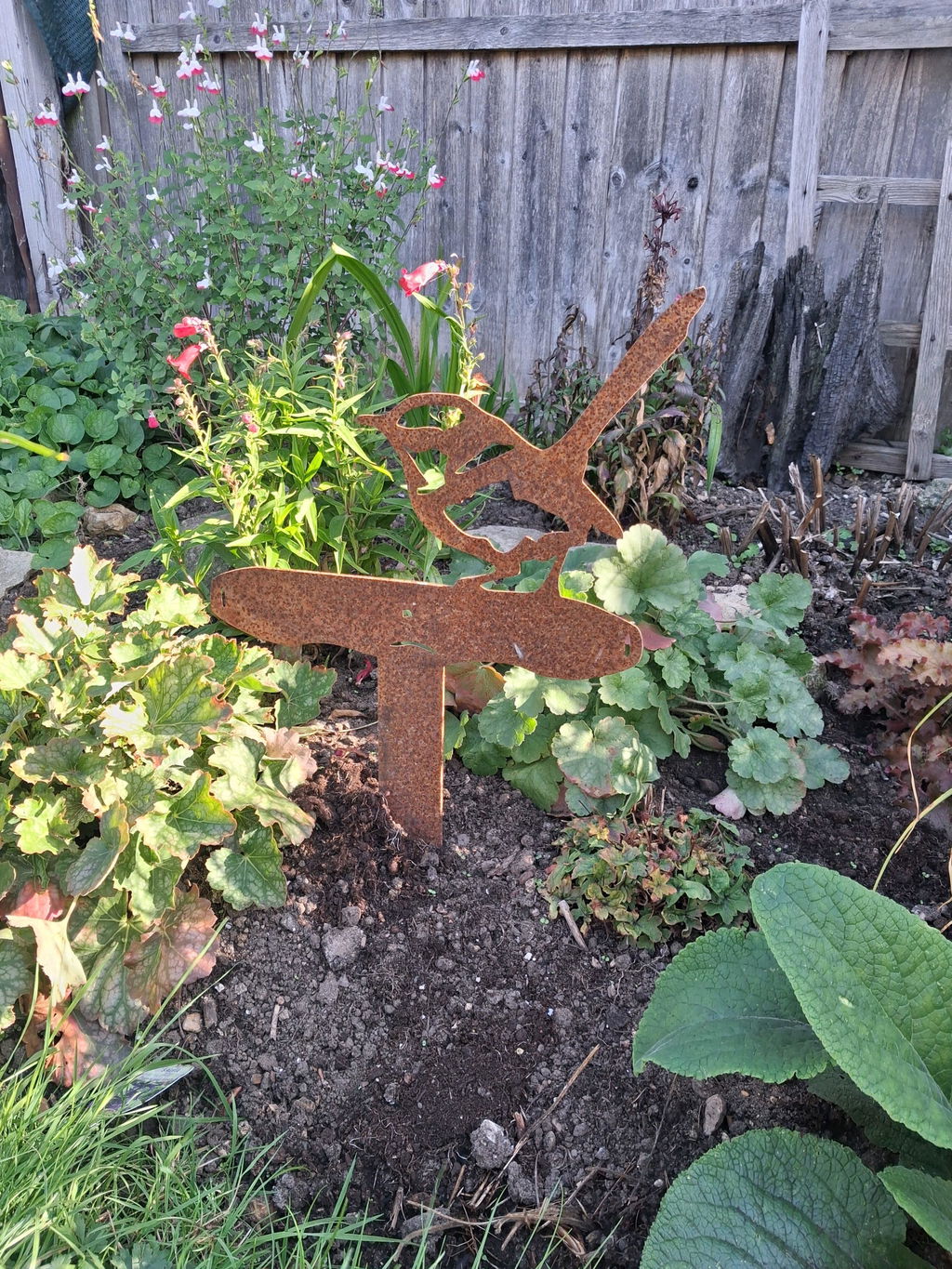
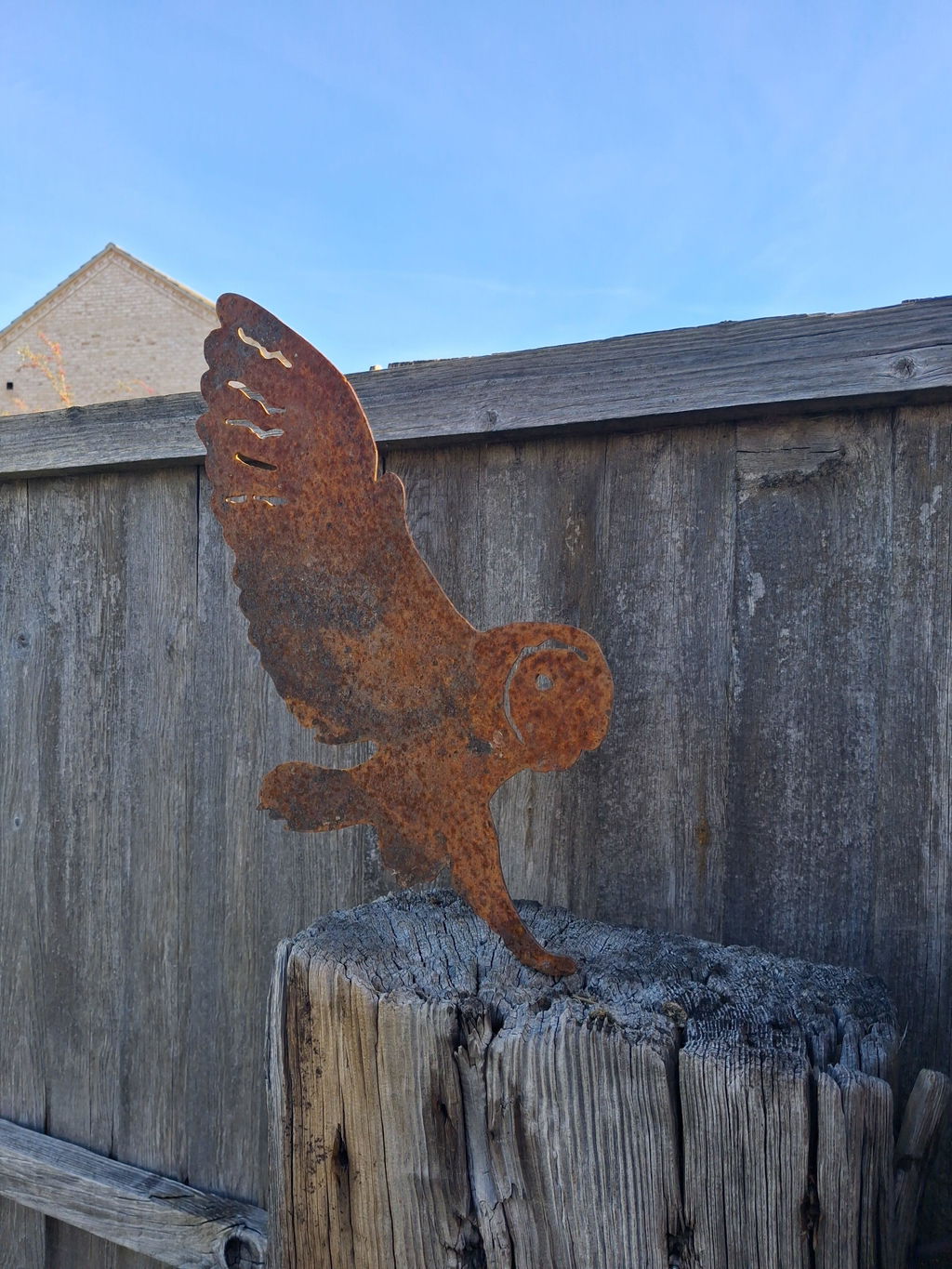
Metal sculpture, seating features and nature-inspired forms are particularly effective in residential environments.
Common Locations for Public Art in Housing Schemes
We regularly see public art integrated into:
-
Central green spaces
-
Shared courtyards and gardens
-
Pedestrian routes and link spaces
-
Development entrances and gateways
These are areas where sculpture can add interest and identity without disrupting how residents use the space.
Materials & Maintenance: A Key Planning Consideration
Maintenance is often a deciding factor for planners and councils.
We design our public art using corten-style rustic mild steel and durable metal finishes because they:
-
Weather naturally without coatings
-
Require minimal ongoing care
-
Are suitable for long-term outdoor use
This makes them appropriate for adoption by management companies or local authorities.
Supporting Section 106 & Planning Submissions
Public art is often referenced in:
-
Design and Access Statements
-
Public realm strategies
-
Section 106 documentation
Clear, practical proposals that explain what the artwork is, where it sits and how it will be maintained help planners feel confident that the requirement is being met properly.
We’re used to supporting this process with straightforward descriptions and realistic solutions.
Working With Developers, Planners & Design Teams
We regularly work alongside:
-
Housing developers
-
Planning consultants
-
Landscape architects
-
Local authority teams
We understand the need for:
-
Predictable delivery
-
Clear specification
-
Practical installation
Our aim is to make public art an asset to the scheme, not an obstacle.
A Straightforward Approach to Public Art
Public art for housing developments doesn’t need to be complicated.
Our process typically involves:
-
Understanding the site and planning context
-
Suggesting suitable sculpture types
-
Fabrication in our UK workshop
-
Delivery and installation coordinated with the wider programme
This keeps things clear and manageable for project teams.
Why Thoughtful Public Art Matters
When done well, public art:
-
Helps developments feel complete
-
Supports long-term placemaking
-
Adds subtle identity to shared spaces
Over time, these pieces become familiar features for residents and visitors alike.
Next Steps
If you’re working on a housing development and need public art that supports planning and Section 106 requirements, there are a few simple ways to explore options:
-
Browse our sculptures for ideas suited to residential settings
-
Email our team to discuss planning context or site requirements
-
Request a callback by emailing us with a brief outline
📧 Email: info@rusticgardenart.co.uk
We’re always happy to offer practical guidance early in the process.
Related subjects
-
Section 106 public art
-
Public art for housing developments
-
Residential placemaking sculpture
-
Metal sculpture for shared spaces
-
Low-maintenance public realm art