Public Art That Works for Real Places
Public Art That Works for Real Places
Practical Sculpture for Developments, Workplaces & Community Spaces
Public art is often most successful when it feels like it belongs — quietly improving a space rather than drawing attention to itself. For many developers, councils, workplaces and community projects, the goal is simple: to add something meaningful, durable and appropriate without overcomplicating the process.
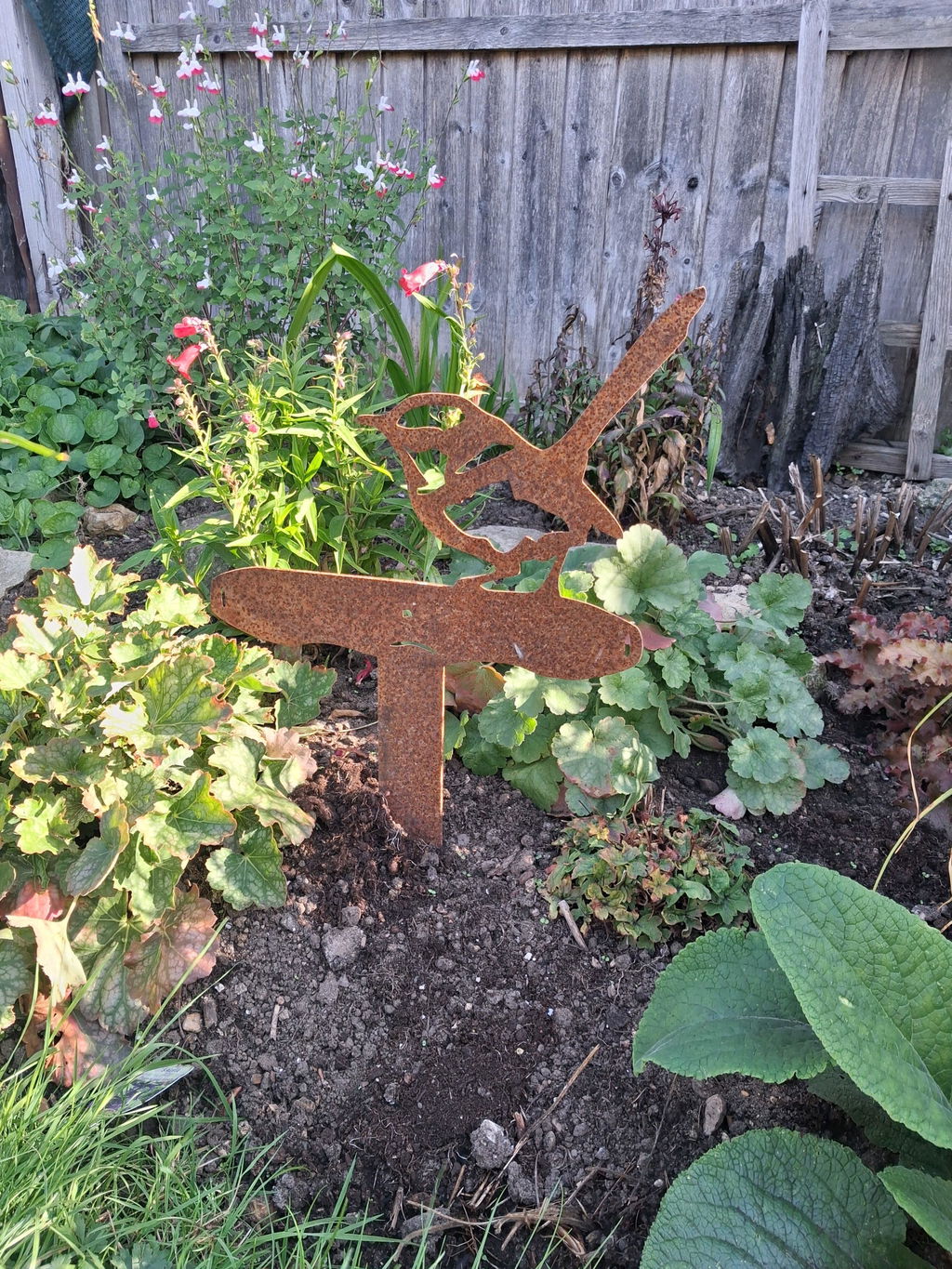
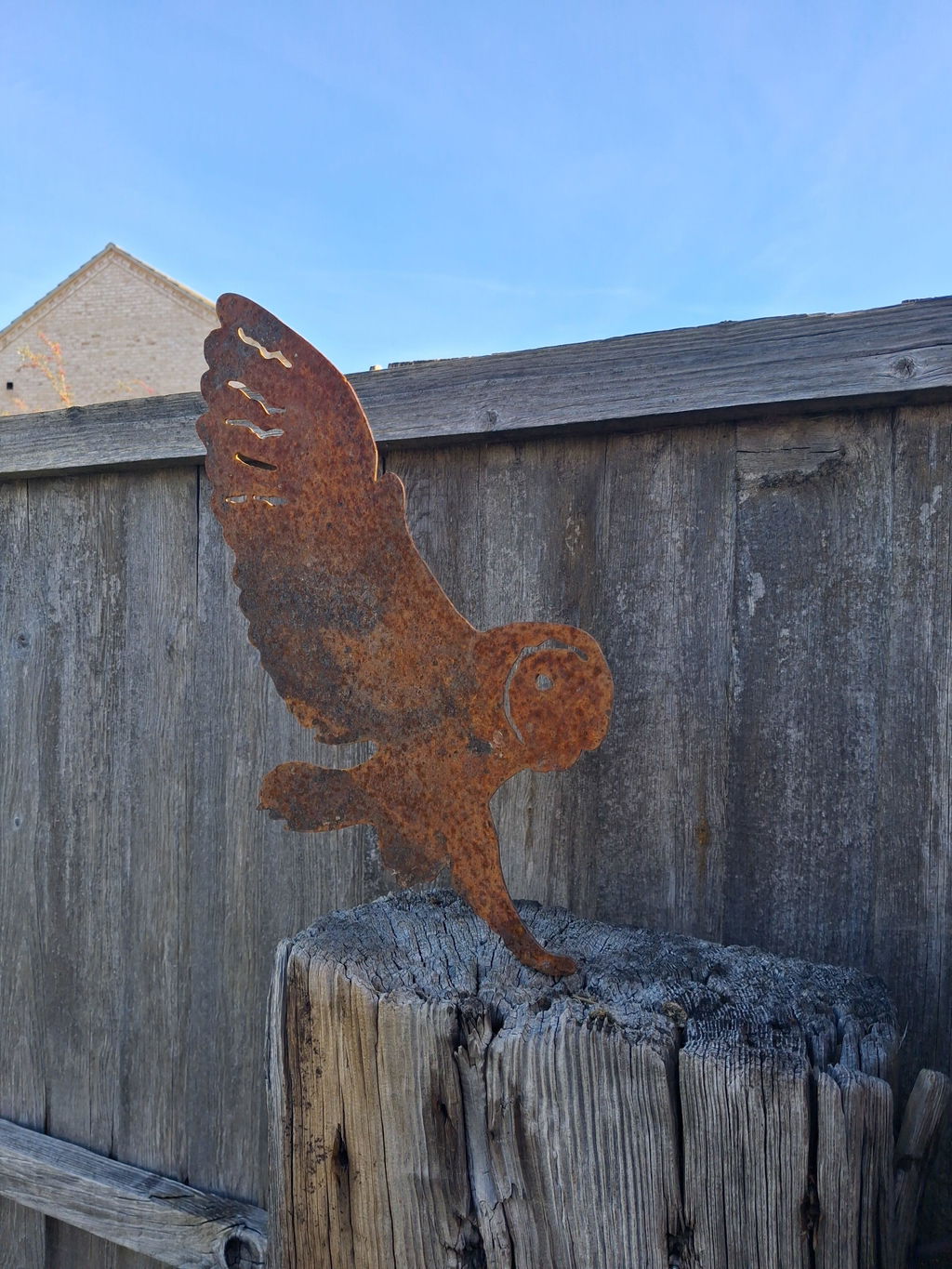
At Rustic Garden Art, we create practical public art and metal sculpture designed for real outdoor environments. Our work is made to sit comfortably within shared spaces, weather naturally over time, and require very little ongoing care.
This page explains how to approach public art in a grounded, realistic way — focusing on what works, where it works, and why.
What Clients Are Usually Trying to Achieve
Most people commissioning public art aren’t looking for a statement piece in isolation. They’re usually trying to:
-
Improve how a space feels and functions
-
Add interest to shared or overlooked areas
-
Support placemaking or community identity
-
Introduce art that people can live with day to day
The most effective public art is often the kind that becomes part of the landscape — noticed, used, and appreciated over time.
Public Art for Developments & Shared Spaces
In housing developments and regeneration projects, public art often helps to:
-
Break up large landscaped areas
-
Create natural meeting points
-
Add character without visual clutter
Metal sculpture works particularly well in these settings because it is robust, adaptable and suitable for public use. Pieces can be freestanding, integrated into planting, or combined with functional elements such as seating or boundaries.
Sculpture for Workplaces & Offices
In workplace environments, public art is often used to:
-
Improve outdoor breakout spaces
-
Add warmth to hard landscaping
-
Create a sense of care and permanence
Here, sculpture needs to feel welcoming and understated rather than corporate or imposing. Nature-inspired forms, simple shapes and tactile materials tend to work best.
Community-Focused Public Art
For councils and community-led projects, public art is often about:
-
Creating shared ownership of a space
-
Supporting everyday use rather than one-off viewing
-
Encouraging people to pause, gather or interact
Artwork that feels approachable — rather than overly symbolic — tends to be better received and more resilient over time.
Materials That Make Sense Outdoors
We design our sculptures using metal suited to outdoor environments, including rustic and weathered finishes that age naturally.
These materials are chosen because they:
-
Stand up well to weather and public use
-
Don’t require regular maintenance
-
Develop character over time rather than deteriorating
This makes them a sensible choice for public and semi-public spaces where longevity matters.
Keeping Things Simple (and Successful)
Public art projects don’t need to be complicated to be effective. In many cases, success comes from:
-
Clear placement
-
Appropriate scale
-
Honest materials
-
Simple, strong forms
When these elements are right, artwork feels settled and purposeful rather than added as an afterthought.
How We Usually Work
Our process is intentionally straightforward:
-
A conversation about the space and what it needs
-
Suggestions and ideas that suit the environment
-
Making the work in our UK workshop
-
Delivery and installation, coordinated with your team
You don’t need a detailed brief to start — just a sense of what you’re trying to improve.
A Practical Approach to Public Art
Clients choose Rustic Garden Art because:
-
We understand shared and public spaces
-
Our sculptures are designed for outdoor use
-
We keep things realistic and manageable
-
We focus on work that lasts
Public art should support a place — not compete with it.
Next Steps
If you’re planning a development, workplace project or community space and are considering practical, low-maintenance public art, there are a few easy ways to explore ideas:
-
Browse our sculptures to see what styles might suit your space
-
Email our team to talk through options or ask questions
-
Request a callback by emailing us with a brief outline of your project
📧 Email: info@rusticgardenart.co.uk
We’re always happy to offer guidance before you commit.
Related subjects
-
Public art for developments
-
Community sculpture for shared spaces
-
Metal sculpture for outdoor use
-
Low-maintenance public art
-
Placemaking through sculpture